Modality

Play Therapy for Children

Play is a child's natural language. Play therapy gives young children a safe, developmentally appropriate way to express and work through what they cannot yet put into words.
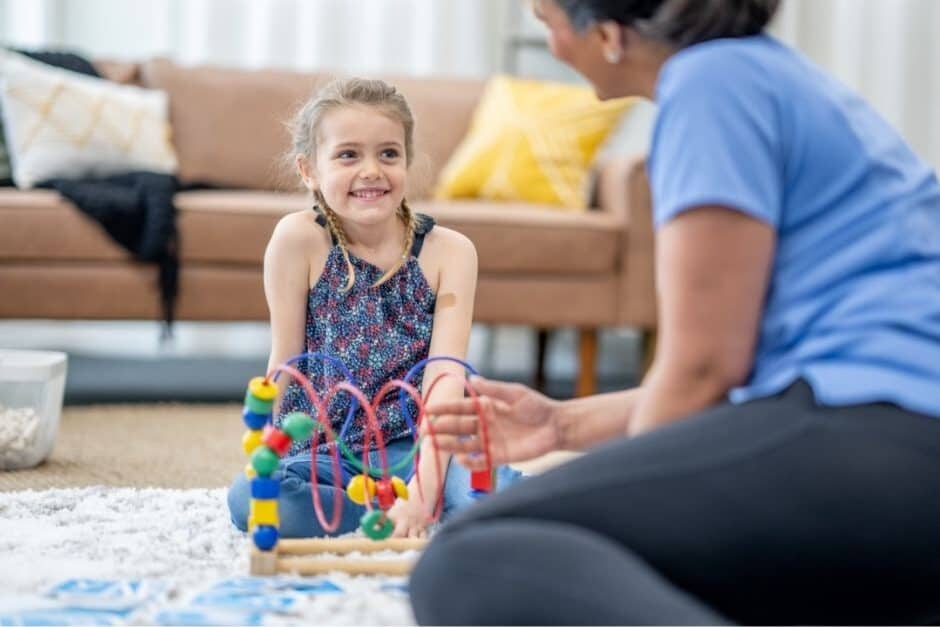
Play therapy for children in Santa Rosa

Play therapy uses toys, art, storytelling, and imaginative games as a child's natural language to process feelings and experiences. In my Santa Rosa office, play gives children a safe way to express what they cannot yet verbalize, making it ideal for young kids and for any child who struggles to talk about hard things directly.

Why play is therapeutic

For children, play is not just fun, it is how they make sense of the world. In a supportive therapeutic space, the toys a child chooses and the stories they tell reveal what they are feeling and working through. Play therapy meets children where they are developmentally, building trust and emotional understanding without the pressure of having to explain themselves in adult terms.

What play therapy looks like

  • Toys, art, and storytelling become the medium for expressing emotions and rehearsing new ways of coping.
  • Sand tray work lets children build and re-work scenes that mirror their inner world.
  • Gentle guidance helps children develop language for feelings and practice problem-solving.

Especially helpful for

  • Anxiety, phobias, and separation concerns
  • Behavioral outbursts, anger, and impulse control
  • Trauma, grief, and family disruptions like divorce or a move
  • Social skills and self-esteem

A natural fit for young children

Play therapy is a cornerstone of early childhood therapy and works beautifully alongside somatic techniques for kids who are too young for talk therapy. It also supports older children who open up more easily through doing than talking. Reach out for a free 15-minute consultation.

Frequently asked questions

What are the behavioral signs a toddler might need counseling?

Common signs include intense, prolonged emotional meltdowns, chronic stomach pain tied to stress, extreme difficulty self-soothing, severe sleep disruption, and sudden social withdrawal. Early intervention through somatic and play-based therapy can help regulate a young child's developing nervous system.

Can a 4-year-old have severe anxiety?

Yes. In young children, anxiety rarely shows up as spoken worry. It usually appears physically as stomachaches, headaches, sleep refusal, aggressive outbursts, or sensory overload. Early childhood therapy focuses on body-based regulation and co-regulation with parents rather than traditional talk therapy.

Should parents be in the room during child therapy sessions?

It depends on the child's age and goals. In early childhood work, parents are often closely involved to learn co-regulation skills. For teens, protecting privacy and autonomy is essential to building a trusting therapeutic relationship.

Can you help with school-related stress or bullying?

Yes. I specialize in school-based concerns and collaborate with school teams, helping families navigate local schools from preschool through high school for placement and educational planning.

What are the behavioral signs a toddler might need counseling?

Common signs include intense, prolonged emotional meltdowns, chronic stomach pain tied to stress, extreme difficulty self-soothing, severe sleep disruption, and sudden social withdrawal. Early intervention through somatic and play-based therapy can help regulate a young child's developing nervous system.

Let's see if we're the right fit

Finding the right support for your child can feel overwhelming. A free 15-minute consultation is a low-pressure way to ask questions and decide your next step.