Modality

Activities-Based Therapy for Children

Structured, hands-on experiences, art, movement, and games, that help children who cannot easily put feelings into words process emotions and build coping skills.
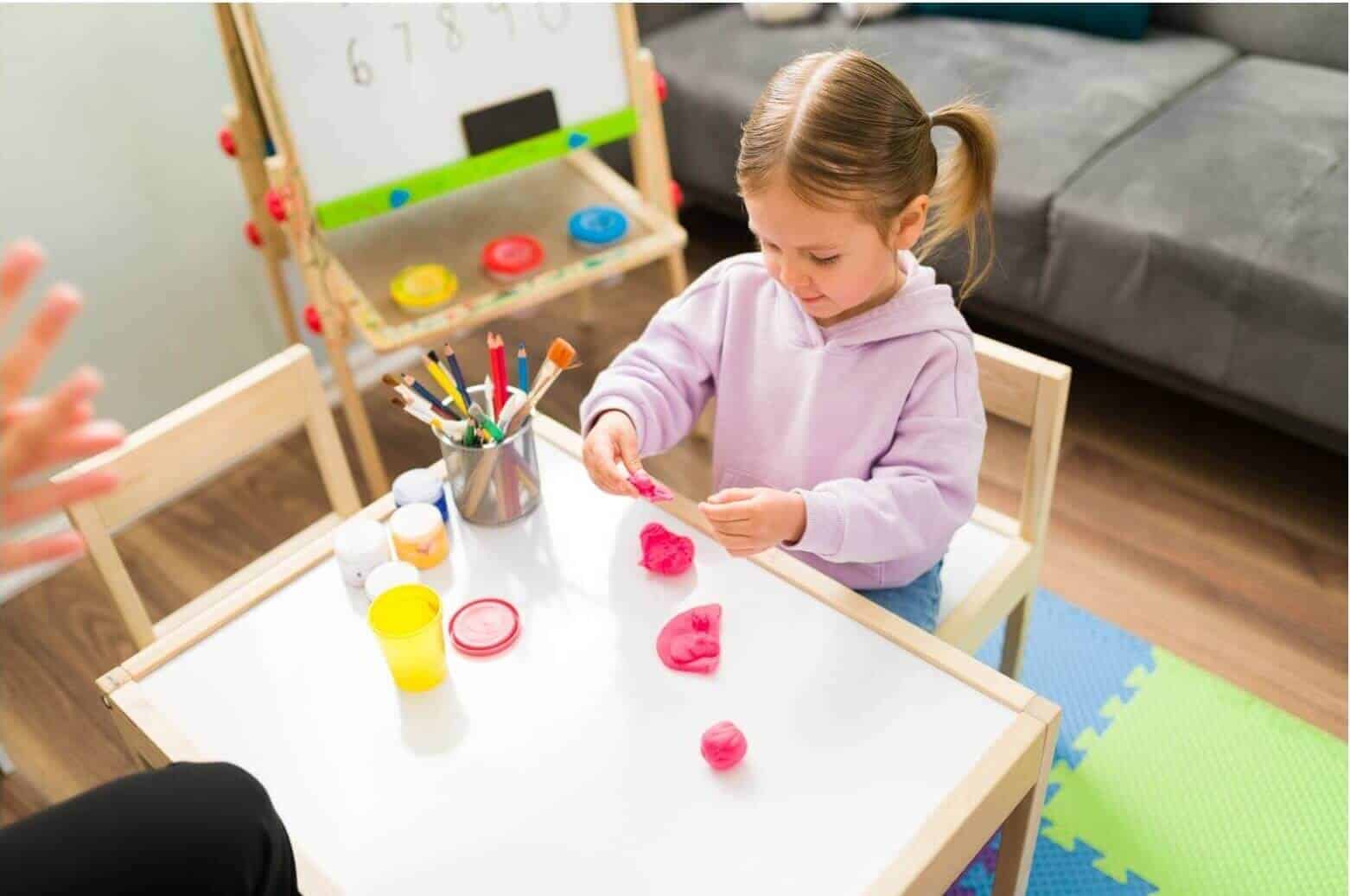
Activities-based art therapy for children in Santa Rosa

Activities-based therapy uses structured, hands-on experiences like art, movement, and games to help children express emotions and build coping skills. In my Santa Rosa office, it offers a powerful path for kids who do not respond to traditional talk therapy or who simply do better when they are doing rather than discussing.

When talking is not the way in

Some children freeze when asked to talk about their feelings, but light up when handed clay, a drawing, or a game with a purpose. Activities-based therapy uses these natural strengths to create movement and connection, giving children a side door into emotional processing that feels safe and engaging.

How it works

  • Art and creative projects externalize feelings that are hard to name.
  • Movement and games release energy and build emotional regulation through experience.
  • Structured activities teach coping skills in a concrete, repeatable way.

Ideal for

  • Children unresponsive to traditional talk therapy
  • Anxiety, emotional dysregulation, or behavioral challenges
  • Children navigating trauma or major life transitions
  • Withdrawn or less verbal children

Part of a flexible, individualized approach

Activities-based therapy blends naturally with play therapy, somatic work, and CBT, so each child gets an approach matched to how they learn and connect. It supports both child and early childhood clients. Reach out for a free 15-minute consultation.

Frequently asked questions

Can you help with school-related stress or bullying?

Yes. I specialize in school-based concerns and collaborate with school teams, helping families navigate local schools from preschool through high school for placement and educational planning.

What are the behavioral signs a toddler might need counseling?

Common signs include intense, prolonged emotional meltdowns, chronic stomach pain tied to stress, extreme difficulty self-soothing, severe sleep disruption, and sudden social withdrawal. Early intervention through somatic and play-based therapy can help regulate a young child's developing nervous system.

What is the most effective therapy for a child with anxiety?

Cognitive Behavioral Therapy (CBT) is widely considered the gold standard for child and adolescent anxiety. By helping children see how their thoughts, feelings, and behaviors connect, CBT gives them practical, evidence-based tools to replace unhelpful thought patterns with healthier coping skills.

What are the behavioral signs a toddler might need counseling?

Common signs include intense, prolonged emotional meltdowns, chronic stomach pain tied to stress, extreme difficulty self-soothing, severe sleep disruption, and sudden social withdrawal. Early intervention through somatic and play-based therapy can help regulate a young child's developing nervous system.

Can a 4-year-old have severe anxiety?

Yes. In young children, anxiety rarely shows up as spoken worry. It usually appears physically as stomachaches, headaches, sleep refusal, aggressive outbursts, or sensory overload. Early childhood therapy focuses on body-based regulation and co-regulation with parents rather than traditional talk therapy.

Let's see if we're the right fit

Finding the right support for your child can feel overwhelming. A free 15-minute consultation is a low-pressure way to ask questions and decide your next step.