Ages 3–6
Early Childhood & Preschool Therapy in Santa Rosa
Gentle, play-based and body-centered support for toddlers and preschoolers who are too young for traditional talk therapy, helping them regulate big emotions and feel safe.
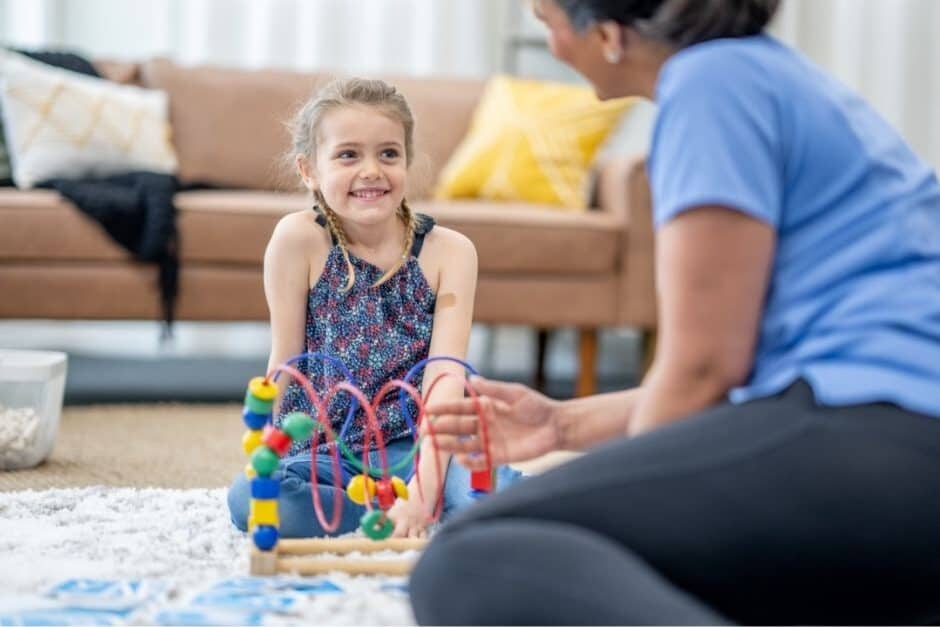
Young children ages 3 to 6 experience real stress and anxiety, but they show it through their bodies and behavior rather than words. In my Santa Rosa office I use play, sand tray, and gentle somatic techniques to help toddlers and preschoolers regulate meltdowns, ease sensory overload, and feel safe, while coaching parents in co-regulation skills that work at home.
Yes, very young children can struggle, too
Many local practices start at age 6 or older, leaving parents of toddlers and preschoolers with few in-person options. Yet this is exactly the age when early support has the biggest impact. In young children, anxiety and stress rarely sound like worry. They look like chronic meltdowns, difficulty settling, sleep refusal, separation distress, aggressive outbursts, clinginess, or physical complaints like stomachaches with no medical cause.
How therapy works for the 3 to 6 age group
A four-year-old cannot reason through their feelings, so we do not rely on talk therapy. Instead, we work through the child's natural language, play, and through the body:
- Play and sand tray therapy let children express and work through experiences they cannot yet verbalize. More on play therapy.
- Somatic, body-based techniques help children notice and release stored tension, easing the meltdowns and sensory overload that come from a dysregulated nervous system. Explore somatic therapy.
- Parent co-regulation coaching gives you simple, concrete tools to help your child calm and feel secure between sessions.
Concerns I help young families with
- Frequent, intense, or long-lasting meltdowns
- Anxiety, clinginess, and separation distress — anxiety support
- Sensory overload, difficulty sitting still, and trouble settling
- Sleep difficulties and stress-related stomachaches or headaches
- Big transitions: new sibling, divorce, a move, or starting preschool
A welcome resource for pediatricians and preschools
Local pediatricians and preschool directors often struggle to find available, in-person providers equipped to work with very young children. If you are a parent who has been told your child is "too young for therapy," or a provider looking for a trusted referral, I would love to help. Reach out for a free 15-minute consultation to talk through what your child needs.